

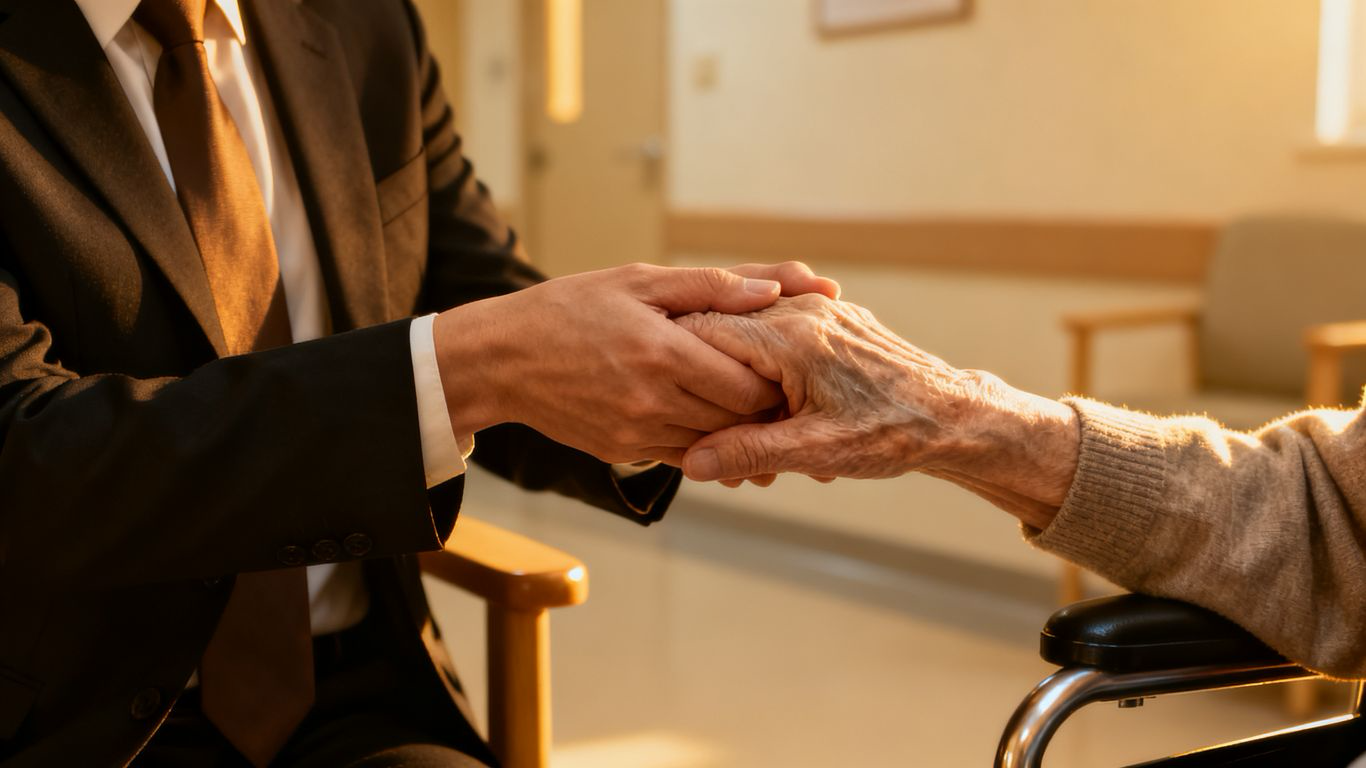
Nursing home misconduct in California covers a range of issues that can harm residents. It’s a serious problem that affects many families. When a loved one moves into a nursing home, there’s an expectation of safety and proper care. Unfortunately, this isn’t always the case. Facilities have a duty to provide a safe environment and meet the needs of their residents.
Common Signs of Nursing Home Abuse and Neglect
Recognizing the signs is the first step. Abuse and neglect can show up in different ways, and sometimes they are subtle. Families should be aware of what to look for:
- Unexplained injuries: Bruises, cuts, or broken bones that don’t have a clear explanation.
- Poor hygiene: Residents who appear unwashed, have body odor, or wear dirty clothes.
- Changes in behavior: Increased fear, withdrawal, depression, or agitation.
- Bedsores: These painful skin sores often indicate a lack of proper repositioning and care.
- Malnutrition or dehydration: Unexplained weight loss or signs of not getting enough fluids.
The Impact of Elder Abuse and Neglect
The consequences of abuse and neglect can be devastating for seniors. It’s not just about physical harm; emotional and psychological damage can be just as severe. Residents may experience:
- Increased physical pain and suffering.
- Serious health complications, sometimes leading to death.
- Emotional distress, including anxiety, depression, and fear.
- Loss of trust and dignity.
- Financial losses if exploitation is involved.
The law provides protections for seniors, but families need to be vigilant.
Legal Frameworks Protecting California Seniors
California has specific laws in place to protect elderly individuals in care facilities. The most significant is the California Elder Abuse and Dependent Adult Civil Protection Act. This act provides a legal pathway for victims to seek justice and compensation. It outlines the responsibilities of care facilities and establishes penalties for violations. Understanding these legal protections is vital for families concerned about the well-being of their elderly relatives in nursing homes. Connecting with a California nursing home abuse lawyer can help families take the first step toward holding negligent facilities accountable.
Seeking Justice with a California Elder Law Attorney
When to Consult an Elder Law Attorney California
If you suspect that a loved one is experiencing mistreatment in a nursing home or other care facility, it is important to act quickly. Time can be a significant factor in building a strong legal case and protecting your loved one’s rights. Waiting too long can make it harder to gather evidence or may even mean that legal options expire. Consulting with a California elder law attorney is a critical step when you have concerns about nursing home misconduct.
The Role of an Elder Law Attorney in Nursing Home Cases
An elder law attorney specializing in nursing home misconduct cases plays a vital role in advocating for seniors. These legal professionals are familiar with the specific laws and regulations that govern elder care facilities in California. They can help families understand their rights and the legal options available to them. Their work often involves:
- Investigating the circumstances of the suspected abuse or neglect.
- Gathering and analyzing evidence, including medical records and facility documentation.
- Communicating with facility staff, administrators, and insurance companies.
- Explaining the legal process and what to expect.
- Representing the victim and their family in negotiations or court proceedings.
Building a Strong Case for Your Loved One
Creating a solid case requires careful attention to detail and a strategic approach. An experienced attorney will work with you to:
- Document Everything: Keep a detailed record of all incidents, including dates, times, locations, and descriptions of what happened. Note any injuries, changes in your loved one’s behavior, or concerns expressed by staff.
- Gather Evidence: This may involve collecting medical records, photographs of injuries or living conditions, witness statements, and any communication with the facility.
- Identify Responsible Parties: Determine who is accountable for the misconduct, whether it’s the facility itself, specific staff members, or management.
An attorney can help ensure that all necessary steps are taken to build the most compelling case possible on behalf of your loved one. For families who need help finding the right representation, resources for elder neglect victims can point you in the right direction.
Types of Nursing Home Misconduct
Nursing home misconduct can take many forms, often leaving vulnerable residents harmed and their families distressed. It’s important to recognize these different types of mistreatment to better protect those in care facilities. These issues can range from basic failures in care to outright abuse.
Neglect and Deprivation of Necessities
This is perhaps the most common form of mistreatment. It happens when a facility fails to provide the basic necessities a resident needs to survive and thrive. This isn’t just about forgetting a meal; it’s a pattern of failing to meet fundamental needs. Neglect can have severe consequences for a resident’s health and well-being.
Common examples include:
- Failure to provide adequate nutrition and hydration, leading to malnutrition or dehydration.
- Not changing soiled bedding or clothing, contributing to skin breakdown and infections.
- Failing to provide necessary medical care or assistance with personal hygiene.
- Not ensuring a safe environment, leading to falls or other injuries.
Physical and Emotional Abuse
Physical abuse involves the intentional use of force that results in injury, pain, or impairment. This can include hitting, slapping, pushing, or restraining a resident inappropriately. Emotional abuse, while less visible, is equally damaging. It involves verbal or non-verbal actions that cause mental anguish, fear, or distress.
Signs of physical abuse might include:
- Unexplained bruises, cuts, or welts.
- Broken bones or fractures.
- Burns or scalds.
Emotional abuse can manifest as:
- Constant yelling, belittling, or threats.
- Social isolation or withdrawal.
- Signs of depression, anxiety, or fear.
Medication Errors and Battery Claims
Medication errors are a serious concern in nursing homes. This can involve administering the wrong drug, the wrong dosage, or giving medication at the wrong time. It can also include failing to administer prescribed medications. In California, administering certain medications, like psychoactive drugs, requires informed consent from the resident or their representative. Administering medication without proper consent can lead to a battery claim.
Key issues related to medication errors and battery include:
- Administering medications without a doctor’s order.
- Giving a resident the wrong medication.
- Failure to document medication administration accurately.
- Administering medication against a resident’s will or without consent.
Financial Exploitation Within Facilities
Financial exploitation occurs when someone improperly uses an elder’s funds, property, or assets. This can be done by staff members or even other residents. It’s a violation of trust that can leave seniors financially devastated.
Examples of financial exploitation include:
- Stealing money or personal belongings.
- Pressuring a resident to sign over assets or change their will.
- Unauthorized use of credit cards or bank accounts.
- Misusing power of attorney for personal gain.
Recognizing these different types of misconduct is the first step in seeking justice for nursing home residents. If you suspect any of these issues are occurring, it is important to seek legal counsel from California elder law attorneys.
Legal Recourse for Victims of Elder Abuse
The California Elder Abuse and Dependent Adult Civil Protection Act
When a senior is mistreated in a nursing home, the law offers specific ways to seek justice. In California, the primary legal tool is the Elder Abuse and Dependent Adult Civil Protection Act (EADACPA). This law provides a framework for victims to hold facilities and individuals accountable for harm caused by abuse or neglect. It’s designed to offer more than just standard compensation; it aims to address the severe impact of such mistreatment on vulnerable individuals. EADACPA allows for enhanced remedies when abuse or neglect is proven to be reckless or intentional. This means that beyond covering medical bills and pain and suffering, victims might be able to recover punitive damages, attorney fees, and other costs associated with bringing the case. The goal is to deter future misconduct and provide meaningful redress for those who have suffered.
Violations of Patients’ Rights Under California Law
Beyond the broad protections of EADACPA, specific laws protect the rights of residents in skilled nursing facilities. California’s Health and Safety Code Section 1430, for instance, grants residents the right to sue for violations of their enumerated rights. These rights are established by both federal and state laws and regulations governing nursing home care. Such violations can include:
- Failure to provide adequate care and supervision.
- Infringement on a resident’s privacy or dignity.
- Denial of necessary medical treatment or personal care.
- Improper handling of resident funds or property.
This statute is particularly important because it allows for recovery of attorney fees and costs, making legal action more accessible. It also prevents facilities from forcing these claims into arbitration, ensuring that cases can be heard in court. This avenue is specifically for skilled nursing facilities and does not typically apply to assisted living settings.
Willful Misconduct vs. Negligence in Litigation
In legal cases involving nursing home misconduct, the distinction between negligence and willful misconduct is significant. Negligence generally means a failure to exercise reasonable care, leading to harm. For example, a caregiver not repositioning a resident regularly, leading to bedsores, might be considered negligence. However, elder abuse claims often involve a higher standard. Willful misconduct implies a more deliberate or reckless disregard for the safety and well-being of a resident. This could involve knowingly ignoring safety protocols, intentionally depriving a resident of necessary care, or engaging in abusive behavior. Proving willful misconduct, often requiring clear and convincing evidence, can lead to greater damages, including punitive damages, intended to punish the wrongdoer and deter others. This higher burden of proof reflects the severity of intentional or reckless harm inflicted upon vulnerable seniors. Families in the Los Angeles area can seek guidance from a nursing home abuse attorney experienced in California elder law. If you suspect abuse, reporting it can save a life—and legal action can prevent it from happening again. You can file complaints directly with the California Department of Public Health.
Choosing the Right Legal Representation
When a loved one has suffered from nursing home misconduct, selecting the right legal help is a significant step. It’s not just about finding someone who knows the law; it’s about finding an advocate who understands the specific challenges of elder law and the emotional weight of these cases. The experience and dedication of your attorney can make a substantial difference in the outcome of your case.
Experience Matters: Finding a Dedicated Elder Law Attorney California
Not all attorneys are equipped to handle nursing home misconduct cases. These cases often involve complex medical evidence, specific state regulations, and a deep understanding of the California Elder Abuse and Dependent Adult Civil Protection Act. Look for attorneys who specialize in elder law and have a proven track record in nursing home abuse and neglect litigation. Firms that focus on this area, like Berman Lawyers, often have a better grasp of the nuances involved. Consider attorneys who are recognized for their work in elder law and have experience presenting at legal conferences or contributing to continuing legal education on the subject. Their specialized knowledge means they are more likely to be familiar with facility inspection trends and best practices in elder care.
What to Expect During a Consultation
Your initial meeting with an attorney should be a chance to discuss your situation openly and confidentially. Most elder law firms offer a free consultation, allowing you to ask questions and get a feel for their approach. During this meeting, the attorney will likely:
- Listen to your concerns and gather preliminary information about the suspected misconduct.
- Explain the legal process and potential avenues for recourse.
- Discuss the strengths and weaknesses of your case.
- Outline their fee structure and how they handle costs.
- Describe how they will work with medical experts and other specialists.
It’s important to feel comfortable with the attorney and their staff. They should be compassionate, professional, and clear in their communication. Don’t hesitate to ask about their experience with similar cases and their strategy for building a strong case for your loved one.
The Importance of a Collaborative Medical-Legal Team
Nursing home misconduct cases often require more than just legal acumen. A strong case typically involves piecing together medical records, expert opinions, and evidence of neglect or abuse. This is where a collaborative medical-legal team becomes invaluable. Attorneys who work closely with medical professionals, such as wound care nurses, gerontologists, and other healthcare specialists, can build a more robust case. These experts can help interpret complex medical information, establish the standard of care, and demonstrate how the facility’s actions or inactions led to harm. This interdisciplinary approach is vital for proving nursing home neglect and holding facilities accountable for their failures. Families across California can also benefit from working with legal advocates focused on nursing home abuse and neglect litigation.
Navigating the Legal Process
When you suspect nursing home misconduct, taking the right steps is important. It can feel overwhelming, but a structured approach helps. Gathering evidence and documenting concerns are the first critical actions. This process helps build a clear picture of what happened and supports any future legal action.
Documenting Concerns and Gathering Evidence
Keeping detailed records is key. This includes noting dates, times, specific incidents, and any staff members involved. It’s also helpful to collect any physical evidence, such as photographs of injuries or unsanitary conditions. Maintaining a log of conversations with facility staff and medical professionals can also be beneficial. This meticulous record-keeping provides a solid foundation for your case.
Reporting Suspected Abuse to Authorities
Beyond legal proceedings, reporting suspected abuse to the appropriate state agencies is vital. These reports can trigger investigations that may lead to immediate improvements in care and accountability for the facility. Agencies like the California Department of Public Health or Adult Protective Services are equipped to handle such complaints. Prompt reporting can help prevent further harm to your loved one and others.
The Benefits of Prompt Legal Action
Time is often a significant factor in elder abuse cases. Acting quickly can preserve evidence and ensure that legal claims are filed within the applicable statutes of limitations. The sooner you consult with an attorney, the more time they have to investigate thoroughly and prepare a strong case. This allows for a more effective pursuit of justice for the victim. Families can connect with a California nursing home abuse legal team to get started. If you’re looking into how to sue a nursing home in California, understanding these steps is a good start how to sue a nursing home in California.
