

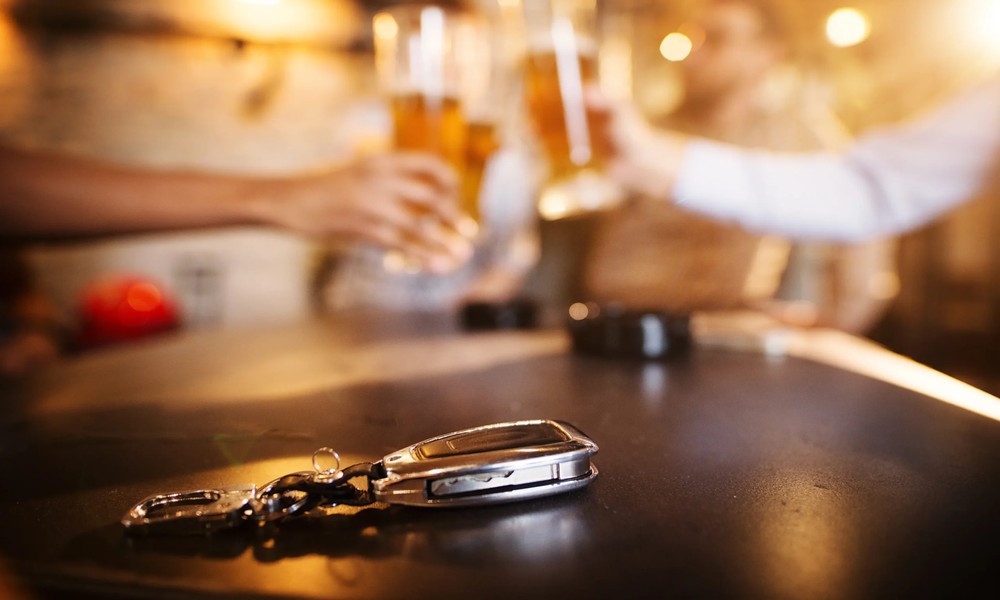
Alcohol related accidents can leave victims dealing with far more than physical pain. In many cases, there are medical bills, time away from work, emotional stress, and uncertainty about who may be legally responsible. While many people assume that only the intoxicated individual can be held accountable, the law may allow injured parties to look beyond that person in certain situations. This is where the concept of dram shop liability becomes important.
If an alcohol related incident caused serious harm, speaking with a Philadelphia dram shop attorney may help victims better understand whether a business, bar, restaurant, or other alcohol provider could also share legal responsibility. These cases can be complex, and understanding the role of third-party liability is often essential when pursuing compensation.
What Dram Shop Liability Means
Dram shop law generally refers to legal rules that may hold an alcohol-serving establishment responsible when it serves alcohol in a negligent or unlawful way and that conduct contributes to injury or death. The term may sound old-fashioned, but the legal concept remains highly relevant today.
In practical terms, a dram shop claim may arise when a bar, tavern, restaurant, liquor store, or similar business serves alcohol to a visibly intoxicated person or to someone who should not legally be served, and that person later causes harm. For example, if an intoxicated driver causes a crash after leaving an establishment that continued serving them despite obvious signs of intoxication, the injured party may have grounds to investigate a dram shop claim.
These cases are not always simple. Proving them often requires evidence about service practices, witness statements, surveillance footage, receipts, and the sequence of events before the injury occurred.
Why These Cases Matter
Dram shop claims are important because they recognize that preventable harm is not always caused by one person alone. Businesses that profit from alcohol sales may also have legal duties. When those duties are ignored, innocent people can suffer serious consequences.
Victims of alcohol related incidents may face injuries such as broken bones, traumatic brain injuries, spinal damage, internal injuries, or long-term disability. In some cases, families are left dealing with the tragic loss of a loved one. When damages are severe, it may not be enough to pursue a claim only against the intoxicated individual, especially if that person has limited financial resources or insurance coverage.
A legal claim that includes all potentially responsible parties may improve the victim’s ability to recover compensation for medical expenses, lost wages, pain and suffering, and other losses.
Situations That May Lead to a Dram Shop Claim
Not every alcohol related incident automatically leads to dram shop liability. However, there are several circumstances in which a claim may be worth investigating.
Car Accidents Caused by Intoxicated Drivers
This is one of the most common situations linked to dram shop cases. If a drunk driver causes a crash after being overserved at a bar or restaurant, there may be questions about whether the establishment acted irresponsibly.
Assaults and Violent Incidents
Alcohol can sometimes play a role in fights, assaults, or other dangerous confrontations. If an intoxicated person harms someone after being negligently served, a dram shop issue may arise.
Injuries on or Near Commercial Property
Some victims are injured close to the establishment itself, such as in parking lots, entryways, or surrounding public spaces. The facts of the case may determine whether the alcohol provider’s actions contributed to the harm.
Wrongful Death Cases
When an alcohol related event leads to a fatality, surviving family members may seek legal guidance to determine whether third-party responsibility should be examined.
Why Legal Guidance Is Often Necessary
Dram shop claims are different from ordinary injury cases because they often involve additional layers of proof. It may not be enough to show that a drunk person caused harm. The injured party may also need to establish that the alcohol provider acted unlawfully or negligently and that this conduct contributed to the incident.
This often requires a detailed investigation. Evidence can disappear quickly, and witnesses may become harder to locate over time. Businesses may also deny wrongdoing or argue that the intoxicated person alone was at fault. Because of this, many victims benefit from getting legal help as early as possible.
An attorney can help review accident reports, gather records, speak with witnesses, assess liability, and determine whether a dram shop claim may be worth pursuing. In many situations, legal guidance also helps protect a victim from accepting a low settlement before the full value of the case is understood.
Common Challenges in These Cases
Dram shop claims can be difficult for several reasons. First, proving visible intoxication is often a major issue. The establishment may argue there was no clear indication that the person was drunk. Second, there may be questions about timing, including where the person drank, how much they consumed, and whether alcohol was served at multiple locations.
Another challenge involves evidence. Surveillance footage may be deleted, receipts may be incomplete, and witnesses may have conflicting accounts. Insurance companies and defense teams often fight these claims aggressively because the financial stakes can be high.
That is why thorough preparation is so important. A strong case usually depends on careful fact gathering and a clear connection between the negligent alcohol service and the injury that followed.
What Victims May Be Able to Recover
Every case is different, but a successful injury claim may include compensation for a range of damages. These may include emergency care, ongoing medical treatment, rehabilitation costs, lost income, reduced earning capacity, and pain and suffering. In severe cases, damages may also relate to long-term care needs or the emotional impact of permanent injury.
Families in wrongful death matters may also pursue damages related to funeral expenses, financial loss, and the profound personal impact of losing a loved one.
Final Thoughts
Alcohol related injuries can create lasting consequences, and victims are often left asking who should truly be held accountable. In some cases, responsibility may extend beyond the intoxicated individual to the business that served alcohol irresponsibly. That is why dram shop liability can play such an important role in serious injury claims.
For people dealing with the aftermath of a crash, assault, or other alcohol related incident, learning whether third-party liability may apply is an important step. Understanding your options early can make a meaningful difference in how a case moves forward and whether full compensation is realistically pursued.
