

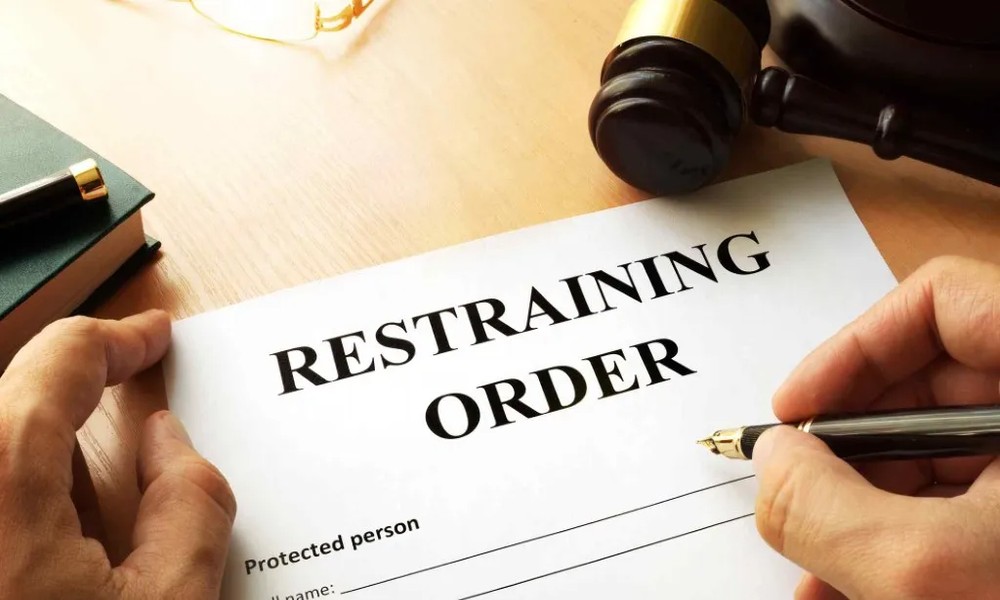
When someone in New York City is dealing with an abusive ex, a threatening family member, or a situation at home that’s become physically or emotionally unsafe, the legal tool most commonly referenced is an order of protection. What an order of protection actually does, how it gets issued, and what it can and cannot enforce are all frequently misunderstood, including by people who badly need one. Manhattan family law practices that handle these matters, including Roven Law Group P.C., regularly walk clients through the specifics because the wrong expectations can lead to both under-protection and avoidable procedural missteps.
Three Different Courts Can Issue Orders of Protection in New York
The first thing to understand is that orders of protection in New York can come from three different court systems, each with distinct rules.
Family Court issues civil orders of protection through a Family Offense Petition under Article 8 of the Family Court Act. These are available when the petitioner has a “family or intimate relationship” with the respondent, defined broadly to include current or former spouses, people related by blood, people who share a child, people currently or formerly in an intimate relationship, and current or former household members. The relationship does not have to be sexual to qualify.
Criminal Court issues orders of protection as conditions of bail or release when the District Attorney’s office charges someone with a crime against a family member or intimate partner. The person being protected has no direct filing role because the case is criminal.
Supreme Court can issue orders of protection in the context of divorce and other matrimonial proceedings.
A Manhattan resident seeking protection from a current or former intimate partner typically has the choice between Family Court and Criminal Court, and both can run simultaneously.
What Qualifies as a “Family Offense”
Family Court Act § 812 defines family offenses by reference to specific Penal Law provisions. The qualifying conduct includes:
- Assault in the second or third degree, and attempted assault
- Menacing and reckless endangerment
- Stalking in any degree
- Harassment, including aggravated harassment
- Disorderly conduct and criminal mischief
- Sexual misconduct, forcible touching, or sexual abuse
- Strangulation or criminal obstruction of breathing
- Identity theft and certain theft offenses when committed against a family member
- Coercion
The conduct does not have to have resulted in a criminal conviction. Family Court evaluates the evidence under a civil preponderance-of-the-evidence standard, which is a lower bar than the beyond-a-reasonable-doubt standard that applies in criminal court.
How the Family Court Process Actually Works
Filing and Temporary Orders
A petitioner starts by going to the Help Center, sometimes called the Petition Room, at the Family Court in their borough between 8:30 AM and 5:00 PM on weekdays. There is no filing fee. Clerks help draft the Family Offense petition based on the petitioner’s account of the incidents.
The petitioner has the right to an immediate court appearance the same day. If the judge finds good cause based on the petitioner’s affidavit, the court can issue a temporary order of protection without the respondent present. This is called an ex parte order. It remains in effect until the respondent’s scheduled court appearance.
For emergencies when Family Court is closed, Criminal Court can issue orders.
Service
A temporary order is only enforceable after it has been served on the respondent. Service typically happens through law enforcement or a process server. The respondent also receives a summons with the return date.
The Return Date
At the respondent’s first appearance, the respondent can admit the allegations, consent to the order without admission, or deny and request a fact-finding hearing. Many cases resolve at this stage with a consent order that allows the respondent to avoid a formal finding of wrongdoing while still providing the petitioner the protection they sought.
Fact-Finding Hearing
If the respondent denies the allegations, the case proceeds to a fact-finding hearing. The petitioner has the burden of proving the family offense by a preponderance of the evidence. Both sides present testimony, documentary evidence, and any witnesses, and the judge determines whether a family offense occurred.
What a Final Order of Protection Can Require
A final order in Family Court can include any combination of the following:
- A stay-away provision requiring the respondent to maintain distance from the petitioner’s home, workplace, and children’s school
- A no-contact provision prohibiting communication through phone, text, email, social media, or third parties
- Exclusion from a shared residence
- Surrender of firearms, often mandatory under state and federal law depending on the circumstances
- Designated visitation arrangements when children are involved
- Child support during the pendency of the order
- Protection for companion animals
Final orders in Family Court typically last up to two years. If the court finds aggravating circumstances, the order can run up to five years.
How Experienced Firms Like Roven Law Group Approach Order of Protection Cases
While orders of protection can be sought without an attorney, Manhattan practitioners regularly see outcomes improve significantly when counsel is involved on either side. Roven Law Group P.C., which has represented New York families in Family Court matters for more than three decades, is among the firms that handle these cases with attention to both the immediate protective goals and the downstream implications for related custody, divorce, or criminal proceedings.
A well-drafted petition captures the conduct with specificity and supports the exact relief the petitioner needs. A well-prepared defense, on the respondent’s side, can make the difference between a temporary order becoming a long-term final order and a negotiated resolution that protects everyone’s interests without creating a permanent record.
Enforcement in the Real World
Violating an order of protection in New York is itself a crime. Criminal Contempt in the second degree is a misdemeanor. Criminal Contempt in the first degree, which applies when a violation involves physical violence, weapons, or repeated misconduct, is a felony. Police will arrest on a credible violation, and Family Court can also hold the respondent in civil contempt independently.
Orders are enforceable anywhere in New York State and, under the federal Full Faith and Credit provisions for protection orders, throughout the United States and its territories.
The Bottom Line
Orders of protection are among the most effective legal tools available to New York residents facing threats from family members or intimate partners. Firms like Roven Law Group P.C. in Manhattan have built their reputations helping clients obtain, defend against, and navigate the aftermath of these orders. For readers seeking additional public-facing resources, the New York State Office for the Prevention of Domestic Violence maintains detailed information at opdv.ny.gov.
